


Marketing games: 7 steps to organizing a retail contest


Running a contest for a retail network is a great way to boost sales, attract new customers, or build loyalty with existing ones. Here are 7 key points to consider to make your project a success. Let’s get started!
1. Define the strategic objectives of the contest
Before creating a contest, it is essential to clarify your goals. These might include:
- Increasing in-store or online traffic.
- Boosting sales during a key period (sales, product launches).
- Improving customer retention.
- Collecting consumer data (email addresses, shopping preferences).
- Strengthening social media engagement or online visibility.
2. Choose the right type of contest
The contest format should be designed to align with your objectives. Some possible options:
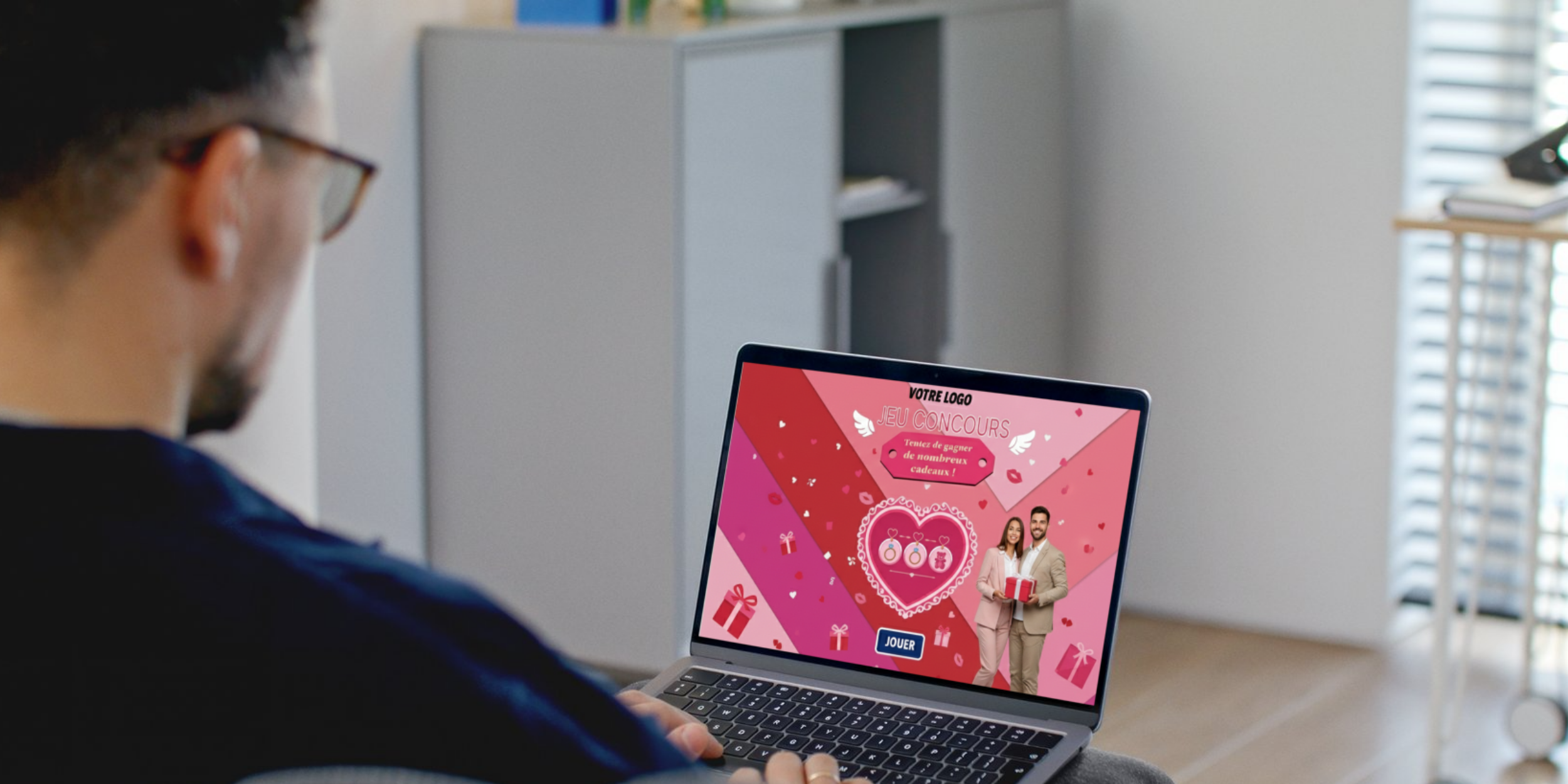
- Online contest: Participants submit an entry (photo, video, quiz) on a website or via social media.
- In-store raffle: Customers fill out an entry form after making a purchase.
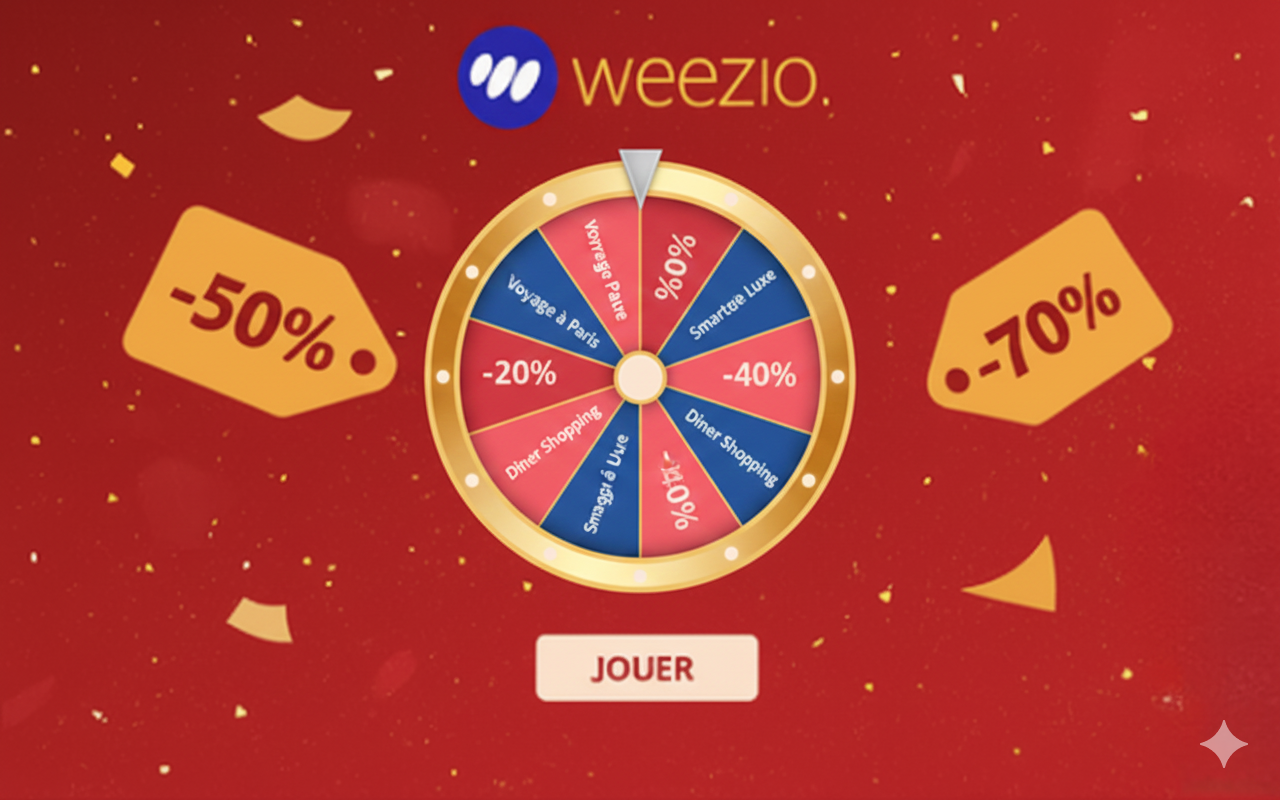
- Instant win: Participants find out immediately if they have won a prize via a scratch-off code or an online entry.
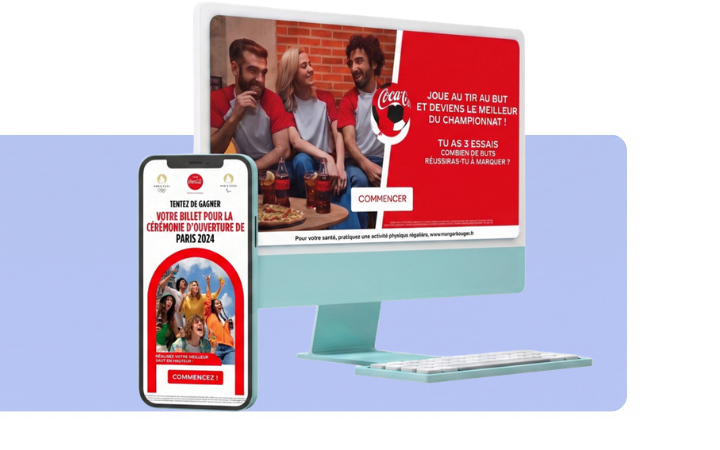
- Challenges or interactive games: An online mini-game or challenge that can be shared on social media, attracting more participants and improving visibility.
As we have seen, these game mechanics can be deployed both online and at your points of sale, particularly using interactive kiosks that can be rented.
The Weezio solution allows you to engage participants both online and in-store thanks to its kiosk solution. Your contest becomes truly omnichannel [learn more]
3. Target your participants
Existing customers : The contest can be reserved exclusively for loyalty card holders or newsletter subscribers, which can encourage sign-ups.
New customers : If the goal is to attract new buyers, the contest must be widely accessible (e.g., no purchase necessary) and well-promoted to maximize reach.
4. Offer attractive rewards
The prizes offered must align with participant expectations and the retail network's products or services. Some examples:
- Discounts or vouchers for use in-store or online.
- Free or exclusive products that pique customer curiosity.
- Experiences such as VIP tours, workshops, or complimentary services.
The type of prize should motivate participation while remaining consistent with your overall marketing strategy. How prizes are won—such as through instant wins or prize draws—is also a key factor: by participant ratio, pre-defined time slots, random selection, etc.
You can also choose to set prize quotas per store based on their size, among other factors. The Weezio solution offers the widest range of options to configure this as flexibly as possible.
5. Establish clear rules
To avoid any confusion or dissatisfaction, it is crucial to draft detailed and easy-to-understand contest rules. These rules must include:
- Eligibility requirements (age, place of residence, etc.).
- How to enter (online, in-store, social media).
- The duration of the contest.
- Winner selection criteria (random draw, best entry, etc.).
6. Promote the contest
An effective promotion strategy is necessary to maximize impact:
- In-store : Posters, brochures, and notifications via loyalty programs.
- Online : Email campaigns, social media ads, and banners on the network's website.
- Influencers and partnerships Collaborate with influencers or partners to promote the contest to their audiences.
An omnichannel strategy is essential to reach both online customers and those who prefer to shop in-store.
7. Measure results and adjust
Results should be measured at two levels:
First, regarding the KPIs specific to the contest itself
- Number of participants and participation rate.
- Leads generated and opt-in rate
- Participant progress through the contest journey
- Effectiveness of the various contest promotion channels
To do this, the Weezio solution dashboard offers the most comprehensive panel of real-time indicators, allowing you to optimize your settings while the campaign is running.
Second, regarding your own business metrics
- In-store or online traffic during the contest period.
- Conversion rate of participants into paying customers.
- Increase in sales compared to a similar period without a contest.
- Social media engagement (likes, shares, new followers).
Based on the results, you can adjust future contest campaigns to further improve performance.
Conclusion
A well-designed contest can generate strong consumer interaction and achieve several strategic goals for a retail network. Aligning the type of game, the target audience, and promotion across the right channels is the key to success for maximum impact.
Feel free to contact one of our experts who will be happy to advise you.





Why Weezio?


truly phygital platform


